 PSL Rating
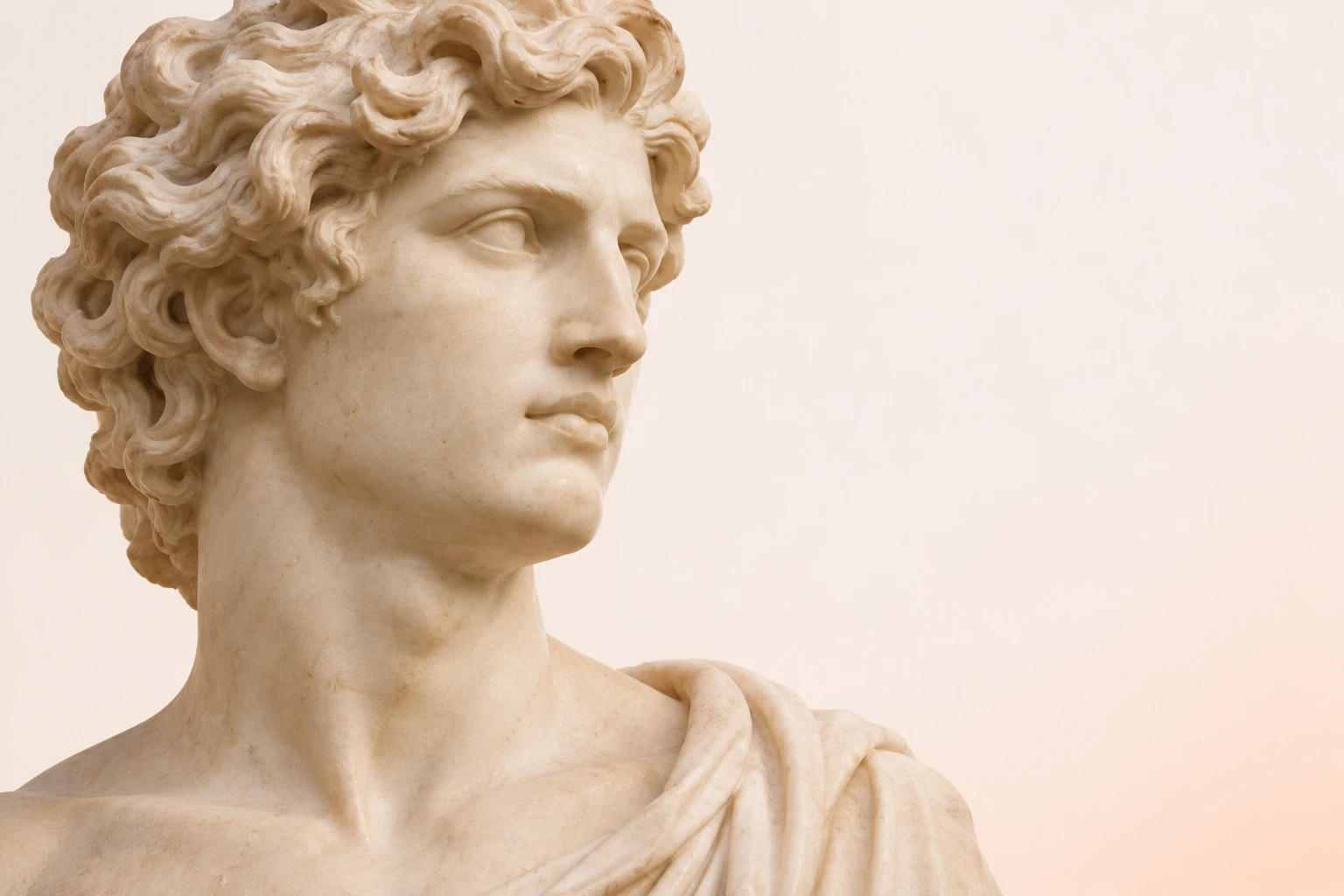
What the PSL Scale Measures
The PSL scale maps facial structure to a fixed 0–8 range using community aesthetic criteria, organized into four broad categories.
Harmony
Balance between facial features.
Dimorphism
Traits perceived as masculine or feminine.
Angularity
Definition of the jaw and cheekbones.
Miscellaneous
Other visible details and presentation.
PSL Scale Breakdown: 1 Through 8
These are informal descriptions, not official definitions. Zero is the lower endpoint, not a separate diagnosis or identity.
Our results use seven bands adapted from this community chart: Below 0–2.9; LTN 3–3.9; MTN 4–4.4; HTN 4.5–5.0; Chadlite 5.1–6.4; Chad 6.5–7.4; True Adam 7.5–8. We extend the lower bound to 0 and use the neutral label Below. These ranges are not population percentiles.
Very low
At one, the PSL scale describes a face that an evaluator sees as far from their preferred proportions. They might point to several pronounced imbalances rather than one isolated feature. This is subjective community language, not a medical description. It cannot tell you how someone looks in motion or how others experience their presence.
Low
A two usually indicates that several features fall outside the evaluator’s preferred structural pattern. Discussions may focus on the relationships between the chin, jaw, eyes, and midface. The framework does not supply an agreed measurement threshold for this level. Two people reviewing the same photograph can reasonably assign different numbers using different assumptions.
Lower middle
Three sits near the lower part of the broad middle band used in this guide. A face may have a mix of balanced proportions and less pronounced definition. That does not mean every feature is below average. A single number compresses many observations and hides disagreement about which features matter most.
Middle range
Four falls within the middle range in this convention, where ordinary variation matters more than a sharp boundary. An evaluator might describe generally balanced features with some less emphasized contours. The PSL scale has no representative population dataset establishing four as a measured average. Think of it as informal shorthand, rather than a statistical finding.
Above average
Five is commonly treated as above average in the convention used here, rather than the automatic midpoint of a ten-point system. Descriptions often emphasize pleasing proportions alongside some noticeable structural strengths. A five does not imply a percentile, and it cannot predict whether a particular person will find someone attractive.
Upper range
Six is an upper-range label, often associated with the community term Chadlite. Evaluators may describe a combination of balanced proportions, defined contours, and features they consider distinctive. These preferences remain culturally shaped and observer dependent. The label does not establish a universal standard or require every individual feature to be exceptional.
High range
Seven usually describes a strong match to the evaluator’s preferred facial structure across several categories. Community discussions may emphasize harmony alongside pronounced definition and distinctive features. Communities treat this as a high band, but claims about how rare it is are not established population statistics. Photographic presentation still affects the impression being judged.
Top of the scale
Eight marks the upper endpoint of this convention, often used for idealized examples rather than a reproducible measurement. A reviewer may see unusually consistent alignment with their own aesthetic preferences. The PSL scale cannot establish perfection: tastes differ, photographs vary, and real-world attraction includes much more than facial geometry. No one needs to pursue this endpoint.
Where the Numbers Come From (and What They Miss)
The numbers come from community consensus, not validated research. A PSL rating prioritizes structure; it can miss skin, teeth, hairstyle, posture, and presence. Even when presentation appears under “miscellaneous,” it is not consistently assessed.
PSL Scale for Men vs for Women
The PSL scale for women uses similar headings, but communities often weight them differently. These are preferences, not biological rules.
For men
Discussions often emphasize jaw definition, brow structure, and angularity.
For women
Discussions often emphasize harmony, softer contours, and proportional balance. Neither approach captures individual taste or gender identity.
Common Misreadings of the PSL Scale
“5 is the average”
This is not a ten-point scale. Five usually sits above the informal middle band.
“The number is fixed”
Presentation and evaluator assumptions change. Small differences need not indicate structural change.
“A photo decides everything”
Lens perspective, lighting, expression, and distance alter appearances. One image cannot represent a whole person.
How to Get Your Own PSL Scale Score
Use our experimental photo tool for a PSL rating based on facial geometry. Treat the output as an estimate with limitations.
get your PSL scoreFAQ
What is the average PSL score?+
There is no scientifically established average. This guide uses three to four as the informal middle band; community conventions vary.
Is 5 a good PSL score?+
Five is usually described as above average in this convention. “Good” remains a personal judgment, not an objective threshold.
Can your PSL score change?+
Yes. Photographs, presentation, age, and the evaluator’s assumptions can change an estimate. Small numerical shifts may simply reflect inconsistent conditions.
What is Chadlite on the PSL scale?+
Our result page uses Chadlite for 5.1–6.4, adapting a published seven-band convention. Boundaries vary; it is neither a diagnosis nor a personal identity.
Does the PSL scale work for women?+
Some communities apply it to women, but the preferred traits and their weights differ. No shared formula establishes universal accuracy.